
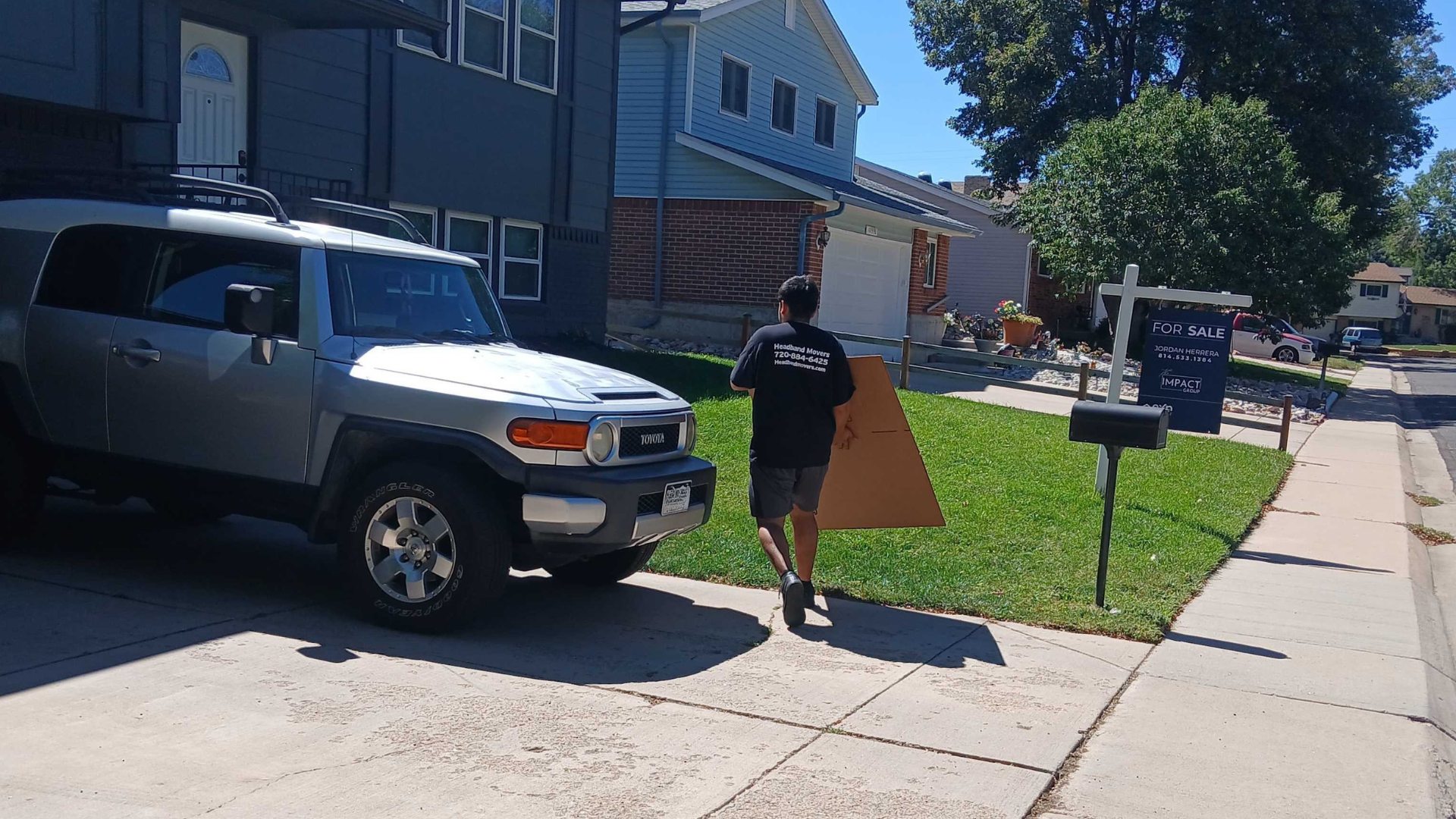
Your leasing office just emailed. No certificate of insurance, no move. If you're looking for apartment movers with a COI in Denver, here's the short version: tell your mover what your building needs, and they send the certificate straight to your property manager before move day.
The details are where people get stuck. Who the certificate gets made out to, what wording the building wants, and how early it’s due. This guide covers what a COI is, how to find COI requirements for your apartment in Denver, and how we handle it at Headband Movers so you can cross it off your list and get back to packing.
What a COI Is and Why Your Denver Building Wants One
A certificate of insurance (COI) is a one-page document from your mover's insurance provider. It proves to your building that the moving company carries active coverage. If a dolly scuffs the lobby wall or a dresser dings the elevator, the building wants to know there's insurance behind the crew, and that the bill isn't landing on them.
Most high-rises and managed communities in Denver ask for one. You'll see COI requirements constantly in Capitol Hill and LoDo high-rises, Cherry Creek condo HOAs, and the luxury apartment communities around the Denver Tech Center. Moving out of one of those Capitol Hill buildings? Our page on apartment movers in Capitol Hill covers the neighborhood specifics.
An older walk-up with no management company may not need one at all. Requirements vary from property to property, so check with your building before you assume either way.
Here's the part most people don't realize: you don't get the COI yourself. Your mover's insurer issues it to your building. Your job is to find out what the building needs and pass it along. That's why booking apartment movers with a COI already handled is the easiest way through a Denver move.
How to Find Your Building's COI Requirements
Wondering how to find COI requirements for your apartment in Denver? Start with your property manager or leasing office. Ask for the requirements in writing, and ask for a sample certificate if they have one. Most buildings keep one ready to email. Here's what you need from them.
Who the certificate should be made out to
This is the "certificate holder." It's usually the property management company, the building's legal name, or the HOA. Get the exact name and mailing address. A typo here can get the certificate rejected.
Any required wording
Some buildings want to be listed as an "additional insured." Some list more than one entity, like the owner, the management company, and the HOA. Ask for the exact wording, then copy and paste it to your mover instead of retyping it.
Coverage requirements
Many buildings set minimum coverage amounts. You don't need to decode the insurance language. Get the requirements and send them over. Your mover confirms whether their policy meets them.
The deadline
Ask when the COI is due. Some buildings want it a few days before move day, and some HOAs want it earlier than that. End of the month is the crunch. With October 31 coming up, leasing offices are juggling stacked move-outs and get strict about paperwork. If you need apartment movers with a COI in Denver at the end of the month, ask early.
Your freight elevator or move window
While you have the property manager on the line, reserve your freight elevator or move window. Buildings often won't confirm a reservation until the COI is on file, so handle both in the same conversation.
Apartment Movers With a COI in Denver: How Headband Handles It
When you book apartment movers with a COI in Denver through Headband, send us your building's COI requirements: the sample certificate, the holder name, any required wording, and the deadline. We get the certificate issued and sent directly to your property manager or HOA before move day. You don't chase anybody.
We're licensed and insured. Our Colorado Household Goods License is HHG-00619. We carry general liability and cargo coverage, and every employee is covered by workers' compensation. That's exactly what your building is checking for when it asks for a COI. Specific coverage limits are explained at booking.
The crew you book is the crew that shows up. We're a veteran-owned Denver moving company, not a broker, so the company named on your COI is the same company carrying your couch. That matters more than people think. When a broker sells your job to another outfit, the certificate on file may not match the crew at your door, and some buildings will turn them away.
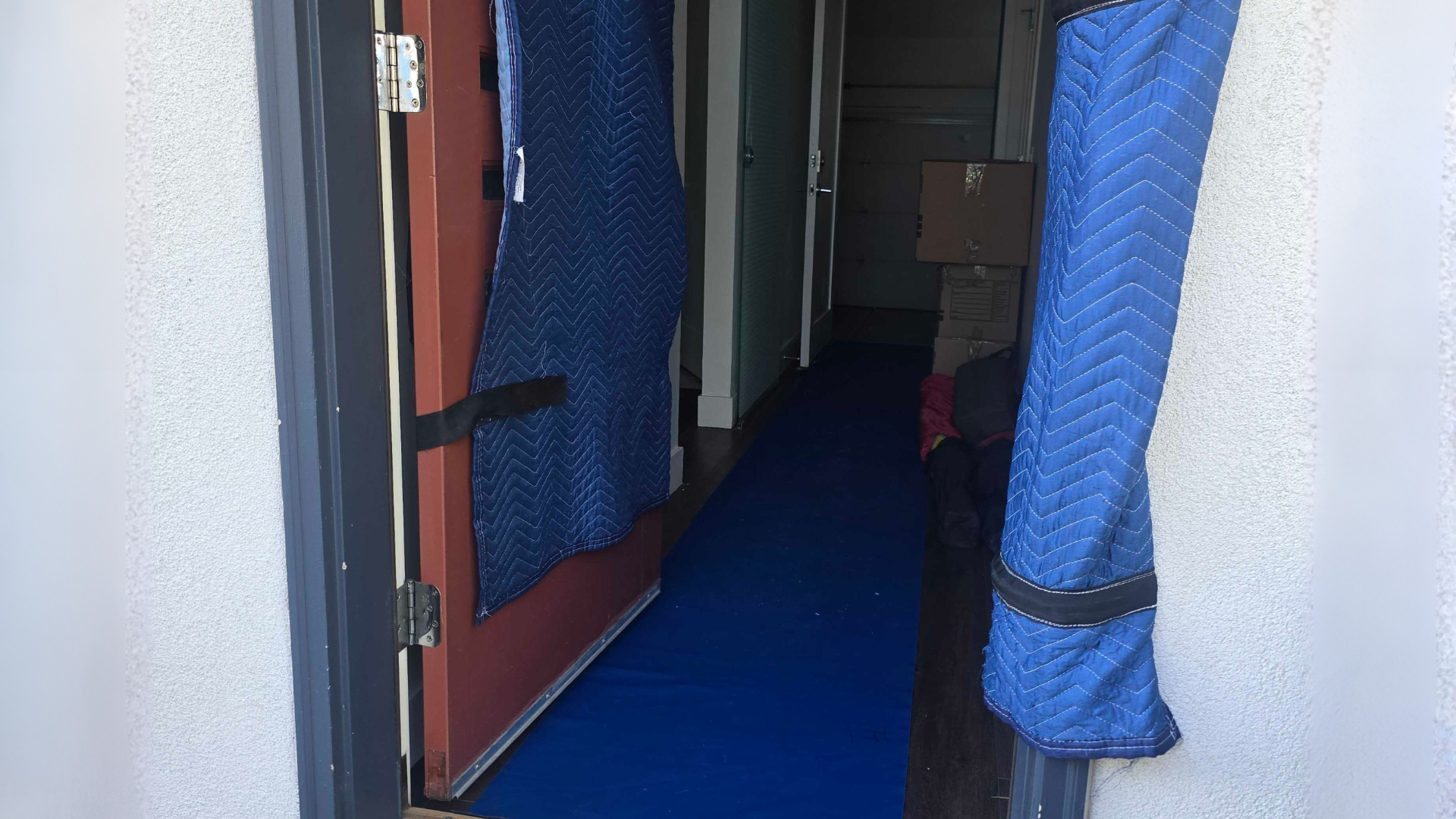
We also protect the building, because that's what the COI is really about. Floor runners, door jamb protectors, and pad-wrapped furniture come on every move. Want the full rundown on how we handle walk-ups, high-rises, and everything in between? See our page on apartment movers in Denver.
Movers With Insurance in Denver: What to Check Before You Book
Every mover says they're insured. Your building is going to verify it, and you should too. Before you book, check three things.
A Colorado license number
Ask for their Colorado household goods license number and look it up. Ours is HHG-00619. If a company can't give you one, keep shopping.
Proof of insurance
Insured movers in Denver can produce a COI when your building asks. If a mover hesitates, or says they'll "sort it out on move day," that's your answer. Finding movers with insurance in Denver is easy. Finding ones who'll get the paperwork to your building on time is the real test.
Whether they're a broker or a moving company
Some companies book your move and sell it to whoever's available that day. Ask directly: will your own crew do my move? A vague answer is a red flag, especially when your building needs the name on the COI to match the truck in the loading zone.
The Rest of Your Building's Rules: Elevators, Move Windows and Parking
The COI is usually one item on a longer list. Here's how we handle the rest.g
Freight elevator windows
Tell us your reservation time, and we size the crew to get you loaded or unloaded inside it. Say you’re in a Capitol Hill high-rise with a two-hour window and a COI due before move day. We get the certificate to your building first, then plan the crew around that window. Tight windows are normal in Denver high-rises, and we plan around them from the start.
A broken elevator on move day
It happens. We don't charge stair fees, so a dead elevator costs you some time, not a surprise line item on your bill.
Parking and loading zones
In RiNo, LoDo, and Capitol Hill, finding curb space for a moving truck is tight. Some buildings require a reserved loading zone or a permit. Flag it when you book, and we'll plan for it.
Moving a bigger place, or want someone else to handle the packing? Our full-service movers in Denver pack, load, move, and unpack, so the COI is the only paperwork you touch.
Frequently Asked Questions
-
Yes. We’re fully insured and can provide a COI directly to your property manager or HOA before your move. Tell us the requirements when you book, and we’ll handle it.
-
Yes, both. Our Colorado Household Goods License is HHG-00619, and we carry full insurance. Many Denver buildings require this; we provide documentation to property managers and HOAs on request.
-
We carry both general liability and cargo coverage. Specific coverage limits and valuation options are explained at booking.
-
We’re used to strict elevator windows in Denver high-rises. Tell us your reservation time, and we’ll size the crew so we get loaded or unloaded in your window.
-
Yes, high-rises are a specialty. We know which buildings have tight loading docks, which require advance notice, and which have specific COI requirements. Just let us know which building when booking.
-
Never. Whether you're in a third-floor walk-up or your elevator is broken on move day, we don't charge stair fees. Period.
Get Your COI Off Your Plate
Your building wants paperwork. You want to move. Book apartment movers with a COI in Denver handled from day one, and you get both. Get a free quote at headband.biz/quote and send us your building's COI requirements when you book. We'll take it from there.
Your Move, Our Mission.
