
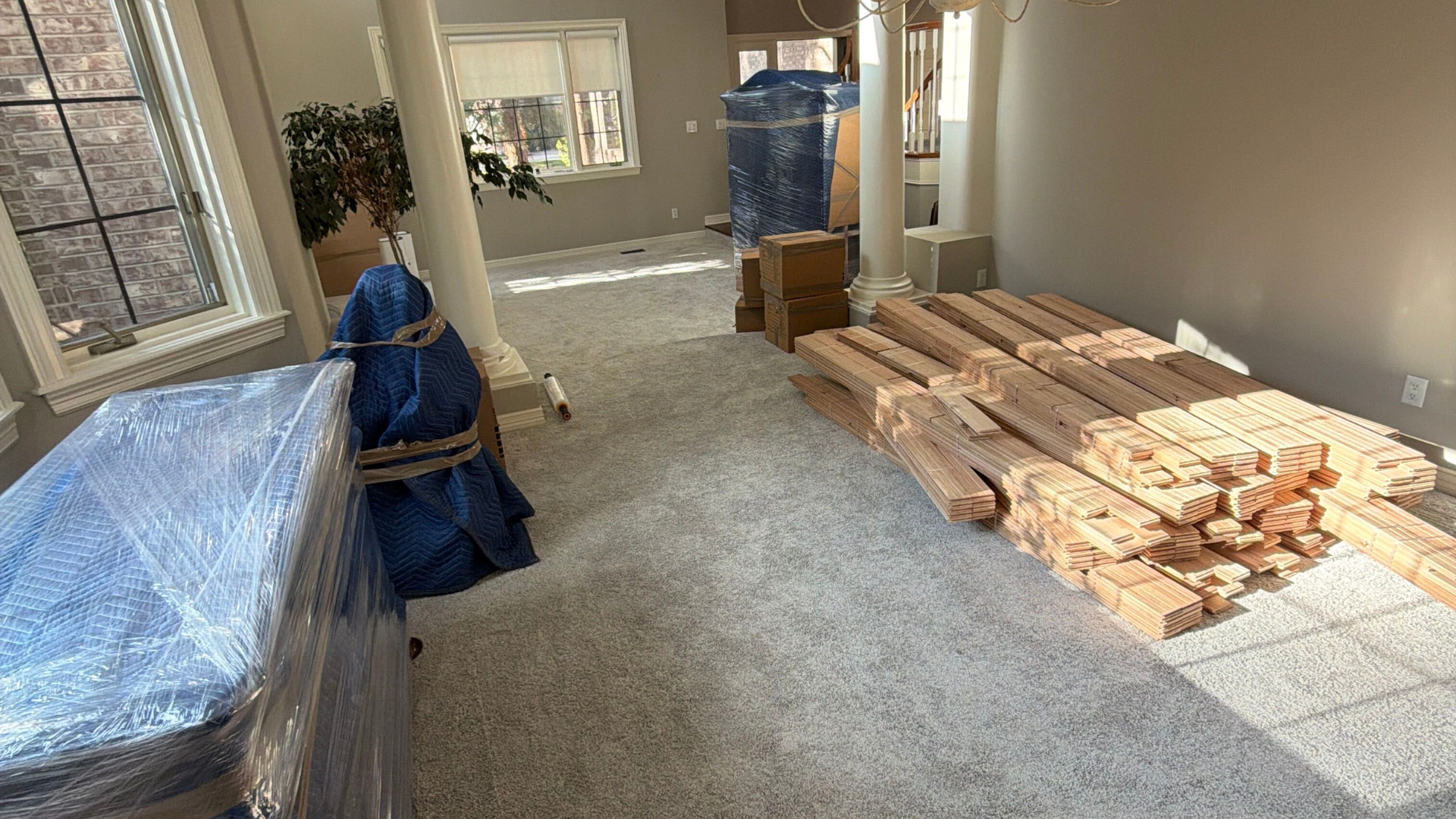
Most move-day problems start three weeks before move day. A freight elevator nobody reserved. A COI the building never received. A washer still hooked up when the crew walks in the door.
This moving checklist for Denver renters and homeowners covers what to do and when, from the day you book to the moment the last box lands in the right room. It comes from what we see on real jobs across the Denver Metro, from third-floor walk-ups in Capitol Hill to split-levels in Arvada.
Work through this Denver moving checklist in order. Skip what doesn’t apply to you.
Four to Six Weeks Out: Book Your Movers and Lock the Date
The earlier you book, the more control you have over your date, your crew, and your arrival window. Denver's moving calendar has two crunch points: summer and the last few days of every month when leases turn over. Book two to four weeks out at minimum, and earlier if you're aiming for either one.
Pick your date, then pick a backup
If you rent, line up your lease end date with your new building's move-in date. End-of-month slots fill first. Moving a few days early usually opens up more options.
If you're buying or selling, ask your agent how firm the closing date really is. Closings slide. Tell your mover the moment yours does. We'll do our best to reschedule without penalties, and the earlier we know, the more we can do.
Get an itemized estimate before you pay a deposit
Ask for a written, itemized estimate. A virtual walkthrough takes about 15 minutes and gives you the most accurate quote, because the crew lead sees exactly what's moving.
Then ask every mover you're considering four questions:
Do you charge stair fees or long-carry fees?
Do you add fuel or mileage surcharges on local moves?
Are you a broker, or is your own crew doing the job?
Are you licensed and insured in Colorado?
Our answers: no, no, no broker, and yes. Headband Movers is licensed and insured under Colorado HHG-00619, and the crew you book is the crew that shows up.
Flag the heavy and unusual items
Pianos, gun safes, hot tubs, and anything over 300 lbs need to be on the estimate so the right crew and equipment show up. Same for artwork and antiques that need extra padding or crating. Slate pool tables usually need a billiards technician to take them apart first.
Ask about discounts
As a veteran-owned company, we offer discounts to military personnel, veterans, seniors, first responders, and teachers. Mention it when you book so it's applied up front.
Two to Three Weeks Out: Handle the Building Paperwork
This is where apartment moves go sideways. Buildings have rules, and most of them need lead time. If you're in a high-rise or an HOA, this part of your Denver moving checklist matters more than packing.
Request your COI from both buildings
Part of knowing how to prepare for movers is knowing what your building needs on file. Many high-rises and HOAs won’t let a crew in without a Certificate of Insurance on file. Ask each property manager for their exact requirements: certificate holder name, coverage, and any required wording. Send those to your mover. We issue and submit the COI directly, so you're not stuck playing middleman.
Reserve the freight elevator
High-rises in LoDo and Capitol Hill often give you a two-hour elevator window. Book the earliest slot you can get. Then give your mover the exact time so they can size the crew to finish inside it. Ask the building what happens if you run over, before move day, not during it. Our apartment movers in Denver are used to strict elevator windows, so this part is routine for us.
Confirm move-in and move-out hours
Some buildings only allow moves on weekdays or during set hours. Get the rules in writing from both your old and new building, and share them when you book.
Plan where the truck parks
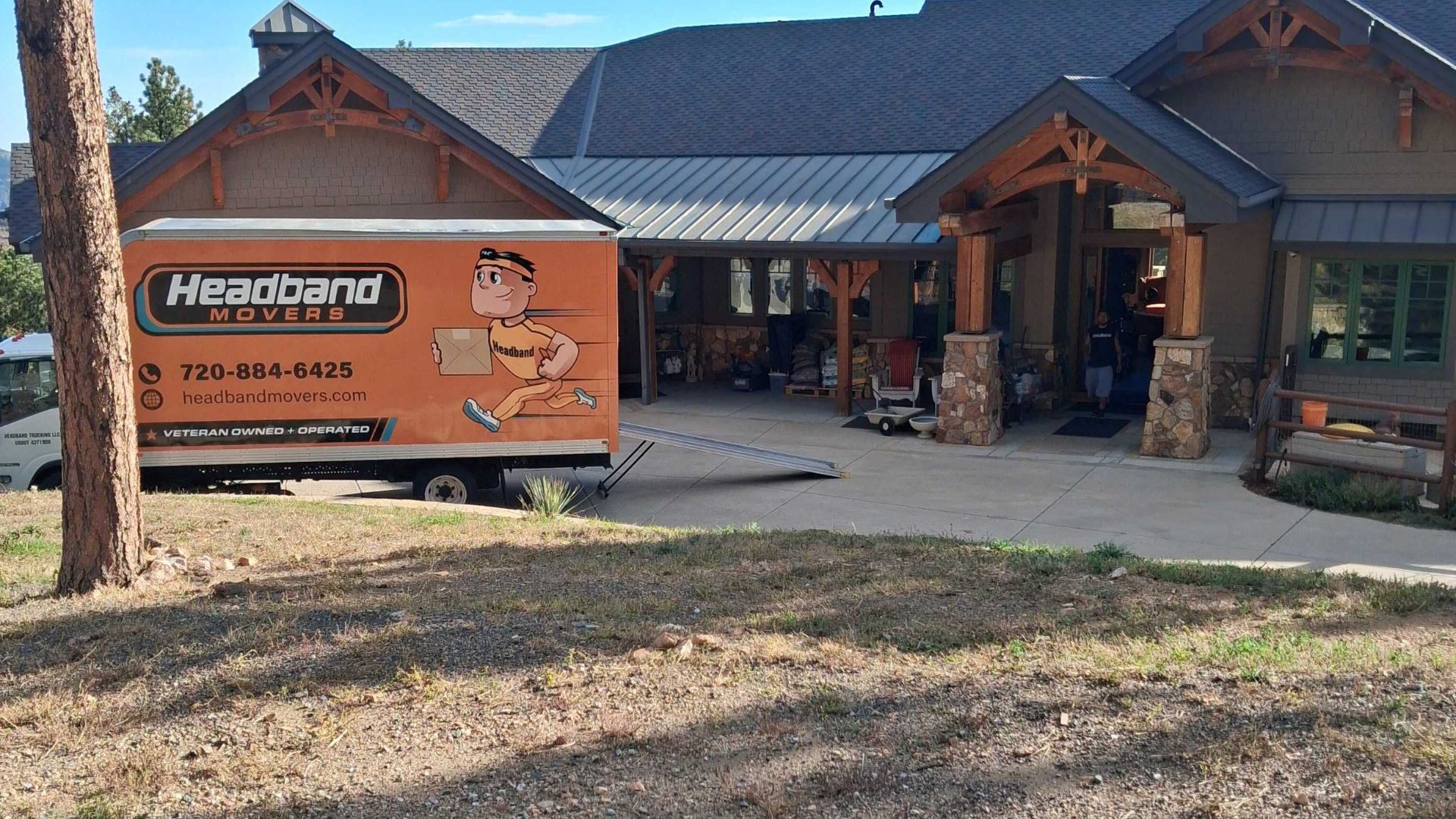
Parking is the hidden time-killer. Tennyson Street in the Highlands, the tight blocks of RiNo, and the alleys downtown all take planning. Some buildings require permits or reserved loading zones, so ask your building manager what yours needs. Tell your mover too, so the plan is set before the truck pulls up.
Start packing what you won't miss
Off-season clothes, books, decor, the spare-room closet. Grab free boxes from grocery stores, liquor stores, and Buy Nothing groups. Label as you go.
The Final Week: How to Prepare for Movers
If you're wondering how to prepare for movers in the last seven days, it comes down to one rule: anything that fits in a box should be in a box. The crew handles furniture, hanging clothes, and large items. You handle the rest.
Pack and label everything that fits in a box
Label by room and contents on at least two sides: "Kitchen, fragile" or "Main bedroom, books." It speeds up unloading and gets boxes into the right rooms the first time. Wrap fragile items one at a time, pack plates on edge like records, and fill gaps so nothing shifts.
Prep electronics and appliances
Take a photo of the back of your TV, computer, and stereo before you unplug anything. Reconnecting at the new place goes a lot faster.
Washers, dryers, and refrigerators need to be fully unhooked, drained, and disconnected before the crew arrives. We don't do plumbing or electrical disconnects, so handle this a day or two early. Fish tanks need to be drained, and your fish ride with you.
Set aside what can't go on the truck
We can't move hazardous materials, flammables, explosives, live plants, pets, or highly perishable food. That means propane tanks, paint, and cleaning chemicals stay off the truck. Pack a first-night bag with meds, chargers, toiletries, and a change of clothes, and keep it with you.
Decide on your dressers
Lightweight clothes can stay in sturdy dresser drawers. Pull out anything heavy or breakable so drawers don't slide open in transit.
Move day
Be at both addresses, or have someone authorized there. If you can't be, FaceTime works.
Expect an arrival window of one to two hours. Your crew lead will text or call when they're on the way.
Save a parking spot near your door with your own cars if you can.
Watch the forecast. October in Colorado can mean an early snow. We lay extra floor protection and keep moving unless conditions are genuinely unsafe.
Before the crew leaves your old place, walk every room, closet, cabinet, and the garage one last time. That’s the last box to check on your Denver moving checklist.
Want to Skip Half This List?
You don’t have to work through this whole Denver moving checklist yourself. Our full-service movers in Denver pack your home, load it, move it, unload it, and unpack it. You point, we place.
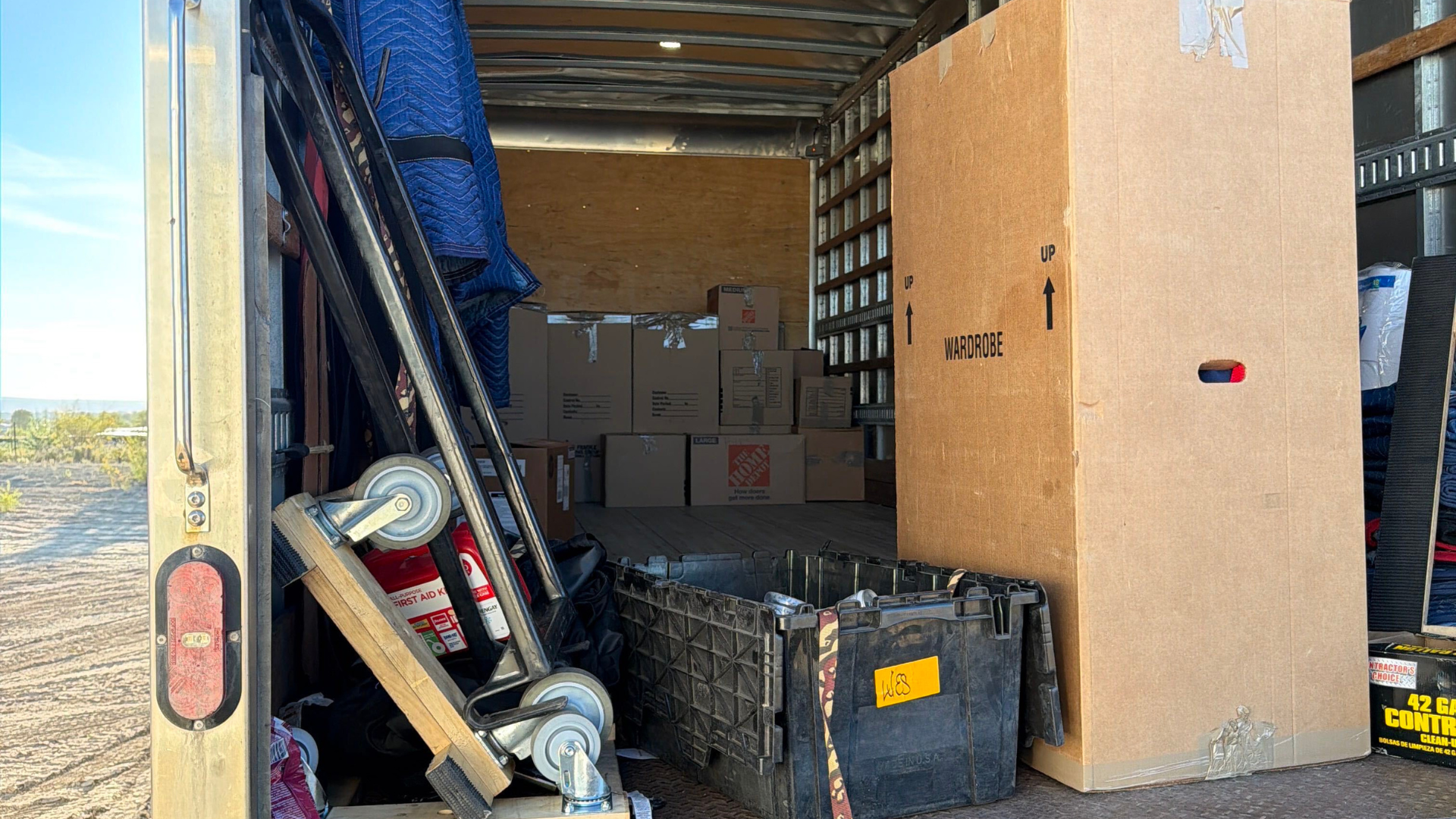
Every move includes heavy-duty blankets, shrink wrap, floor runners, door jamb protectors, and furniture disassembly and reassembly. No stair fees. No long-carry fees. No fuel surcharges. And the same background-checked crew you booked is the one at your door.
We cover the whole Denver Metro. If you're on the west side, our Arvada moving company office is close by.
Cross the Biggest Item Off Your List
Booking your movers is step one on any Denver moving checklist. Get a free quote at headband.biz/quote.
Denver Moving Checklist FAQ
-
We recommend booking 2 to 4 weeks in advance, especially during summer months and at the end of the month when leases turn over. Last-minute is sometimes possible, but the schedule fills up fast.
-
Yes. Send us your building's COI requirements when you book, and we'll have it issued and submitted to your property manager before move day.
-
Not unless you booked load-only. If you booked packing services, we handle it. If you're packing yourself, everything that fits in a box should be in a box and labeled before move day. Furniture, hanging clothes, and large items we handle ourselves.
-
Yes, we ask that you (or someone authorized) be at both locations to direct placement and answer questions. If you can't be there in person, FaceTime works.
-
Welcome to Colorado, we move rain, snow, or shine. We lay extra floor protection and work to keep your items dry during the load. We don't cancel for weather unless conditions are genuinely unsafe.
-
Tips are appreciated but not required. The standard range is 10–20% of the total bill, split among the crew. Cash is great; we can also add it to your card at checkout.
