
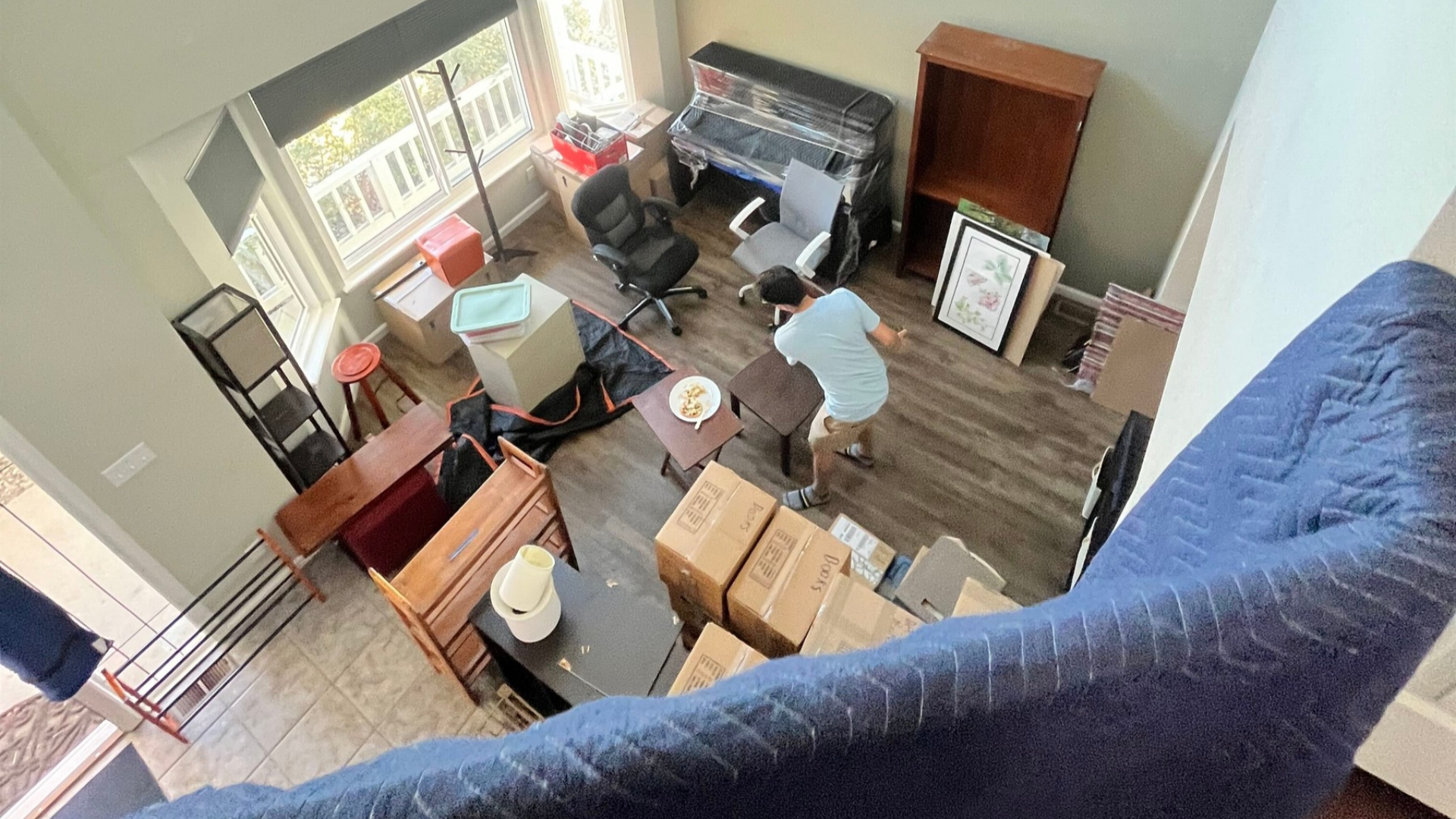
Yes, you can move in winter in Denver. The snow isn't the problem. Not planning for it is.
When you're moving in winter in Denver, three things change: the ground you walk on, the parking you can get, and the daylight you have to work with. Here's what to do before move day, what to expect if you're heading into the foothills, and what our crew handles once the truck shows up.
Moving in Winter in Denver: Can You Do It?
Yes. We move rain, snow, or shine, and we don't cancel for weather unless conditions are genuinely unsafe.
In practice, a few inches of fresh snow on a weekday morning is a normal workday. We lay extra floor protection, keep your stuff dry during the load, and get to work. A storm that closes roads or turns a driveway into a sheet of ice is a different call. If it comes to that, we'll talk it through with you before anyone gets hurt or anything gets dropped.
Storms also slow down traffic. We schedule arrival windows, usually one to two hours wide, so there's room for the job before yours. If weather pushes us past that window, your crew lead calls you directly with an updated time. You won't be standing at the window wondering.
Winter has an upside, too. Peak summer and end-of-month dates are the tightest on our calendar, so a mid-month winter date can give you more options. Booking ahead still matters, especially when leases turn over at the end of the month.
Staying close to home? Our local movers in Denver handle winter moves across the metro, from Wheat Ridge to Aurora.
How to Prep Your Home Before a Snowy Move Day
Most headaches when moving in winter in Denver start the night before. Knock out these six things, and you'll skip most of them.
Clear and Salt Every Path at Both Homes
Shovel the walkway, front steps, and driveway at your old place and your new one the night before. Put down ice melt in the morning. Our crew carries dressers and boxes of glassware over those steps all day, and solid footing protects your stuff and the people carrying it. If you don't have keys to the new place yet, ask your landlord, property manager, or agent who's clearing it.
Save Curb Space for the Truck
Snow piles eat parking. Spots along Tennyson Street in the Highlands are tight on a dry day, and plowed snow can wipe out what's left. Same story on the side streets of Capitol Hill. Tell us at booking if parking is tight. If your building needs a permit or a reserved loading zone, sort it out early. A truck parked half a block away means a longer carry.
Keep Utilities On at Both Places
Don't schedule the shut-off at your old place for the morning of the move. You want heat and lights while the crew works, and the door will be open a lot. At the new place, get the heat running before the truck arrives so you're not unpacking in a cold house.
Plan Around Early Sunsets
Short days are part of moving in winter in Denver that people forget. Ask for the earliest arrival window available when you book. Turn on porch and exterior lights at both homes before the crew arrives, and check that the new place has working bulbs in the entry and hallways.
Unhook the Washer and Dryer Ahead of Time
Washers, dryers, and fridges need to be fully unhooked, drained, and disconnected before we arrive. We don't do plumbing or electrical disconnects. Drain the washer hoses well, too. Leftover water sloshing around a truck on a cold day is a mess nobody wants.
Pack a First-Night Box
Put your coats, gloves, ice scraper, chargers, medications, a change of clothes, and a few kitchen basics in one box. Keep it in your car, not the truck, and label it so nobody loads it by accident.
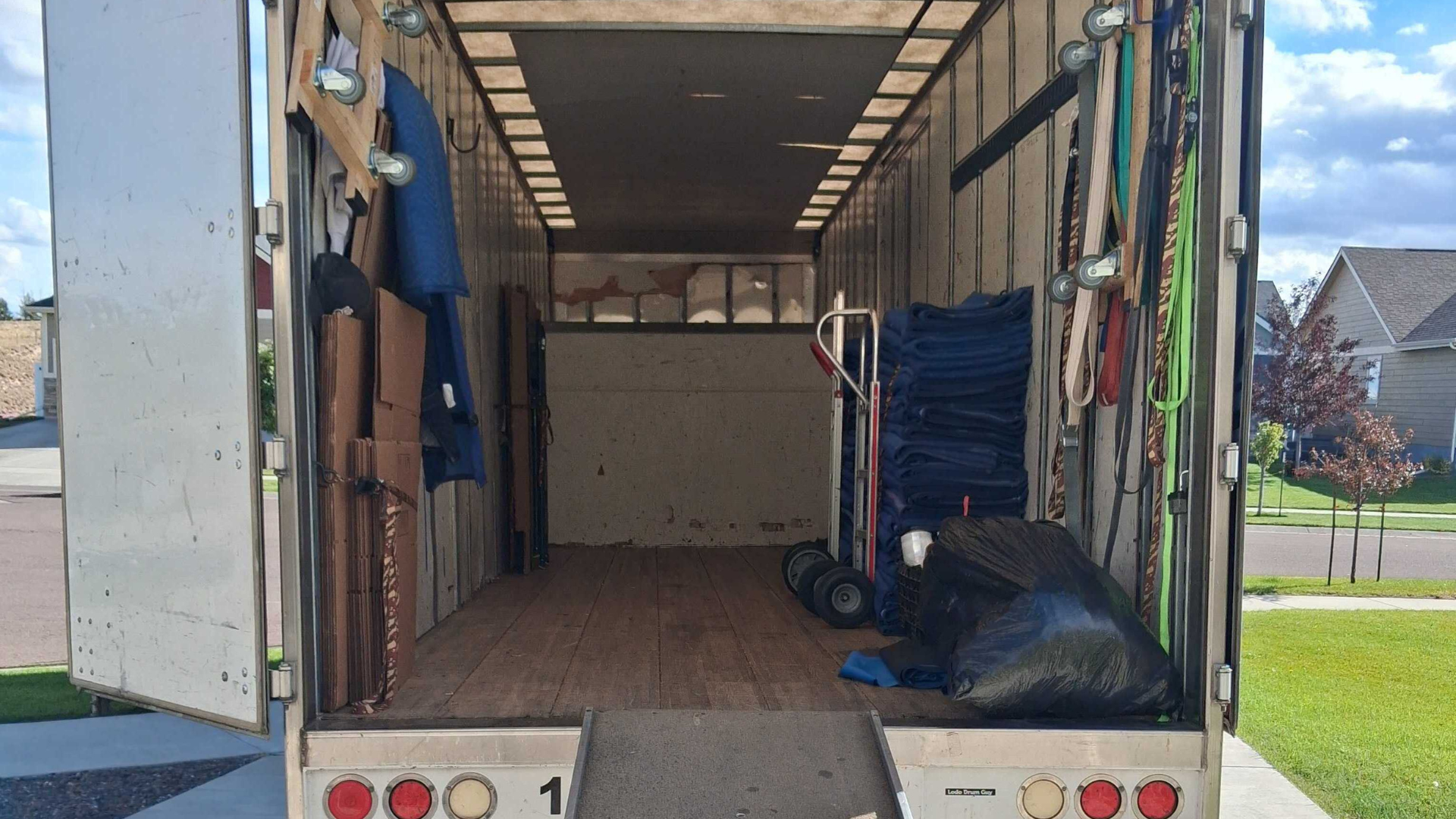
Moving During Snow in Colorado: Mountain and Foothills Moves
Moving during snow in Colorado gets harder the higher you go. A move from Wheat Ridge to Golden, or from Arvada up toward Evergreen, can mean steep, winding driveways and roads that look nothing like the ones you just left.
The planning starts when you book. Tell us about the driveway at both ends: how steep it is, how long, whether it curves, and where a truck can turn around. That's how we decide which truck and how many movers to send. If a full-size truck can't safely make the climb, we plan for a smaller shuttle vehicle ahead of time, not on the morning of the move.
Picture a curving driveway in Evergreen after an overnight storm. A full-size truck might make it on a dry day, but not that morning. If we’ve talked it through at booking, the shuttle is already part of the plan: load at the bottom, run your furniture up in shorter trips. It takes longer, and you’ll know that going in.
A few things help on your end:
Clear the whole driveway, not just the first car length.
Check road conditions on CDOT's COtrip.org the night before and again in the morning.
Keep your phone on. Mountain weather changes fast, and your crew lead may call with timing updates.
Moving during snow in Colorado takes more planning, not more drama. If you're heading into the hills, our Golden movers know the routes.
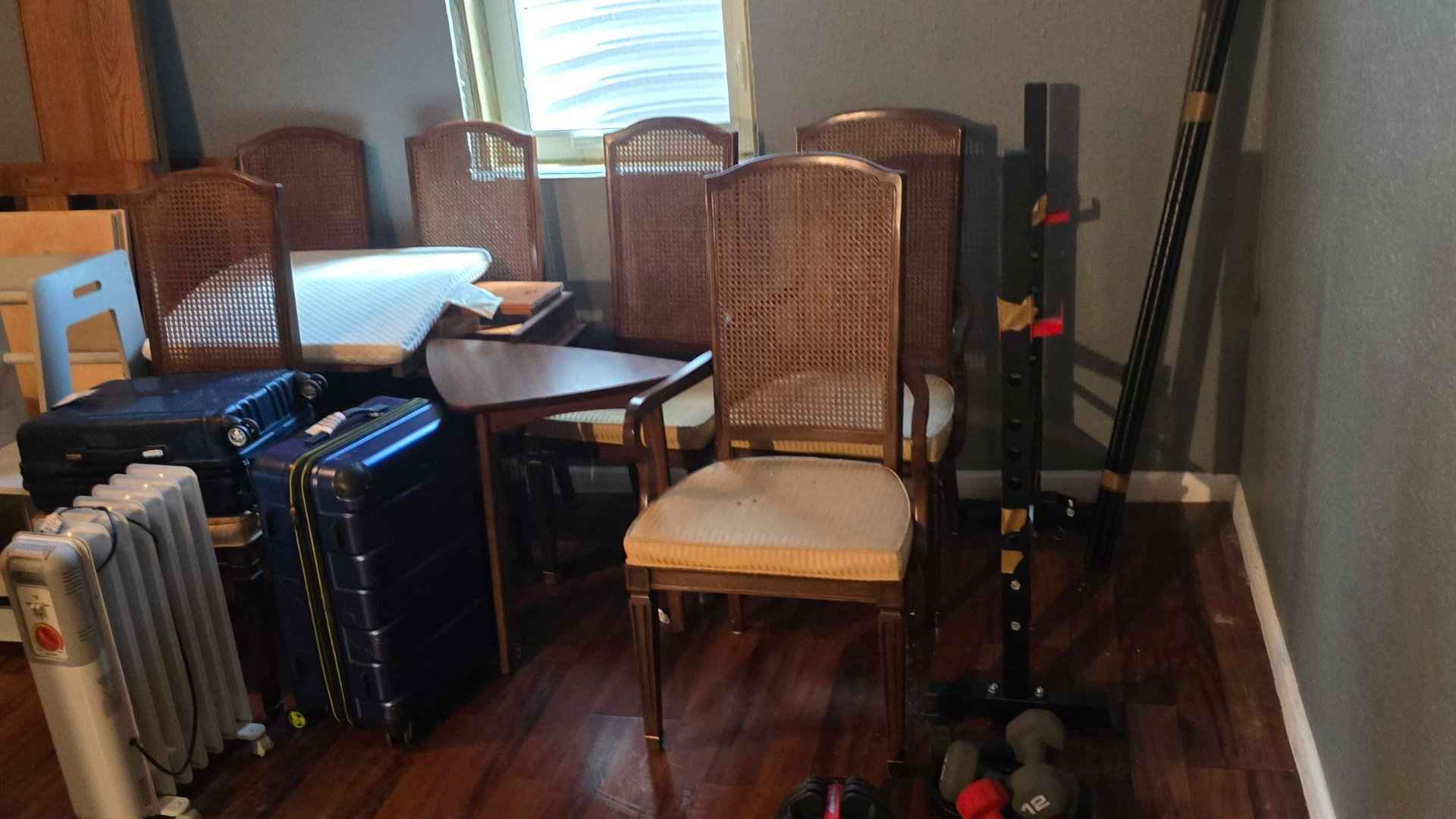
What Your Crew Handles on a Winter Move
Your part is the prep. Here's what we handle when you're moving in winter in Denver.
Floor Protection Against Slush and Salt
Slush and salt get tracked everywhere on a winter move. We lay floor runners on the high-traffic paths and door jamb protectors on the tight corners, with extra protection when it's wet out. Both homes should come out the way we found them.
Keeping Your Stuff Dry
We pad-wrap and shrink-wrap furniture before it leaves the house. We stage the load so pieces don't sit in the snow longer than they have to, and we keep everything dry from the front door to the truck.
Icy Stairs and Freight Elevators
An icy third-floor walk-up still costs you nothing extra. We don't charge stair fees, period. In a high-rise, tell us your freight elevator reservation time, and we'll size the crew to fit the window, storm or not. Storms make tight elevator windows tighter. Picture a two-hour reservation at a LoDo high-rise on a snowy morning. We set the load order ahead of time so the crew isn’t sorting boxes while the clock runs. Need a COI for the building? Tell us when you book, and we’ll get it to your property manager before move day. Our apartment movers in Denver work around building rules in LoDo, Capitol Hill, and beyond.
A Plan, Not a Scramble
Headband Movers is veteran-owned and operated, and that shows up in the unglamorous stuff. We show up on time, prepped, with the right gear already loaded and a plan for the weather instead of a reaction to it. The crew you book is the crew that shows up. We're licensed and insured, Colorado HHG-00619.
Ready to Book Your Winter Move?
Moving in winter in Denver doesn't have to wreck your move day. Tell us your dates, both addresses, and anything tricky about access: a steep driveway, tight street parking, a freight elevator window. You'll get an itemized estimate before you book, and the bill on move day matches the quote.
Get a free quote at headband.biz/quote.
Your Move, Our Mission.
Winter Moving FAQ
-
Welcome to Colorado, we move rain, snow, or shine. We lay extra floor protection and work to keep your items dry during the load. We don't cancel for weather unless conditions are genuinely unsafe.
-
We've handled plenty of steep, winding, icy driveways in foothills neighborhoods. We assess the access at booking and bring the right truck and crew. If shuttle vehicles are needed, we plan for that upfront.
-
Yes, we move regularly to and from mountain towns like Golden, Evergreen, and beyond. Mountain moves require some extra planning around weather and access, so call us so we can quote accurately.
-
If we're running behind, your crew lead will call you directly with an updated arrival time. We'd rather give you a heads-up than leave you guessing.
-
In most Denver neighborhoods, we handle parking. In tight spots like RiNo, LoDo, Capitol Hill, and the Highlands, let us know in advance so we can plan. Some buildings require permits or reserved loading zones.
-
We recommend booking 2 to 4 weeks in advance, especially during summer months and at the end of the month when leases turn over. Last-minute is sometimes possible, but the schedule fills up fast.
